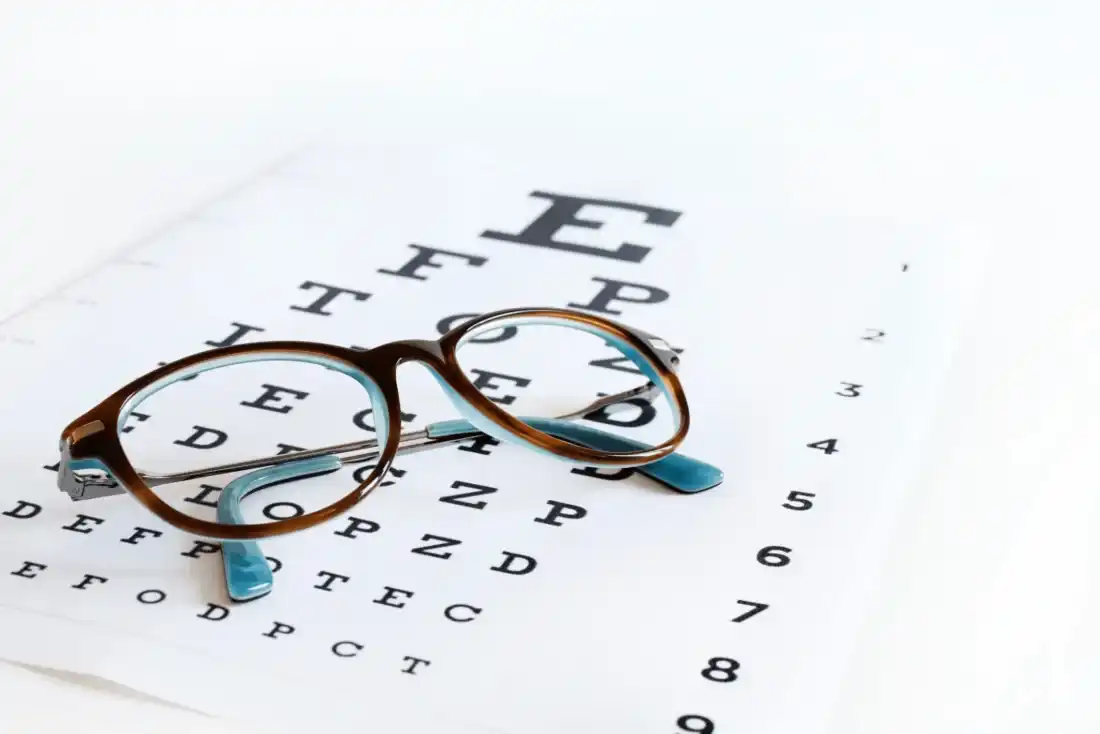
An eye exam is not only about finding out whether your glasses prescription changed. It is also a chance to check comfort, focusing, eye teaming, contact lens needs, and signs of eye-health problems that may not cause obvious symptoms yet.
Definition
Comprehensive eye exam: A comprehensive eye exam is a doctor-led visit that checks how clearly you see, how your eyes work together, your prescription needs, and signs of eye disease or other health concerns. Source: CDC: Why Eye Exams Are Important.
Key takeaways
- Eye exams do more than update glasses or contact lens prescriptions.
- Some eye diseases can start without symptoms, which is why regular exams matter even when vision feels fine.
- Bring your current glasses, contacts, insurance cards, medication list, and any symptoms or school/work vision concerns.
Research-backed notes
About 11 million Americans over age 12 need vision correction.
Clearer vision is one reason to schedule an exam, but prescription updates are only part of the visit.
CDC: Why Eye Exams Are ImportantSome eye problems do not have symptoms in their early stages.
A comprehensive dilated exam can help find eye disease earlier, when prevention of vision loss is often more effective.
CDC: Why Eye Exams Are ImportantA dilated eye exam can include visual acuity, side-vision, eye-muscle, pupil-response, pressure, and dilation testing.
Those pieces help the doctor understand both how well you see and how healthy the inside and outside of the eyes look.
National Eye Institute: Get a Dilated Eye ExamWhat happens during an eye exam
Your visit usually starts with your concerns: blurry distance vision, trouble reading, headaches, dry eyes, contact lens discomfort, school struggles, or a prescription that no longer feels right. From there, the doctor and team check vision, focusing, prescription needs, eye pressure, and eye health.
Depending on your age, symptoms, medical history, and risk factors, the exam may also include dilation or retinal imaging so the doctor can look more carefully at the back of the eye.
- Vision and prescription testing
- Eye teaming and focusing checks when symptoms point that direction
- Eye pressure and front-of-eye health checks
- Retina and optic nerve evaluation
- A clear explanation of findings and next steps
Why routine exams matter even when you see well
Many people wait until vision feels blurry, but healthy eyes can still deserve a closer look. Eye exams can uncover early signs of issues such as glaucoma, diabetic eye changes, cataracts, macular degeneration, dry eye, and other concerns before they are obvious in day-to-day life.
Regular visits also create a baseline. That makes it easier to tell whether a future change is minor, expected, or worth watching more closely.
When to schedule sooner
Do not wait for a routine appointment if symptoms are sudden, painful, or affecting vision. Call promptly if you notice new flashes or floaters, eye pain, double vision, decreased vision, halos around lights, or red/draining eyes.
- Sudden decreased vision
- Eye pain or light sensitivity
- New flashes, floaters, or a curtain-like shadow
- Double vision
- Redness or drainage that is getting worse
How to prepare for your visit
Bring your current glasses and contact lenses, any previous eye records if you have them, your insurance cards, and a list of medications. If you are booking for a child, bring notes from teachers or school screenings and any examples of reading, headaches, squinting, or attention concerns.
The most useful thing you can bring is a simple description of what feels off: when it happens, how long it lasts, whether it affects one eye or both, and what makes it better or worse.
Helpful external resources
Related care at Weber Eye Care
If this topic sounds familiar, learn more about comprehensive eye exams.
Medical disclaimer
This information is for general educational purposes and is not a diagnosis. If you have sudden vision changes, eye pain, injury, flashes, floaters, or other urgent symptoms, call an eye care professional or seek emergency care.
When you want a real answer, come in.
If you are due for an eye exam or something about your vision feels off, schedule a comprehensive eye exam with Weber Eye Care.