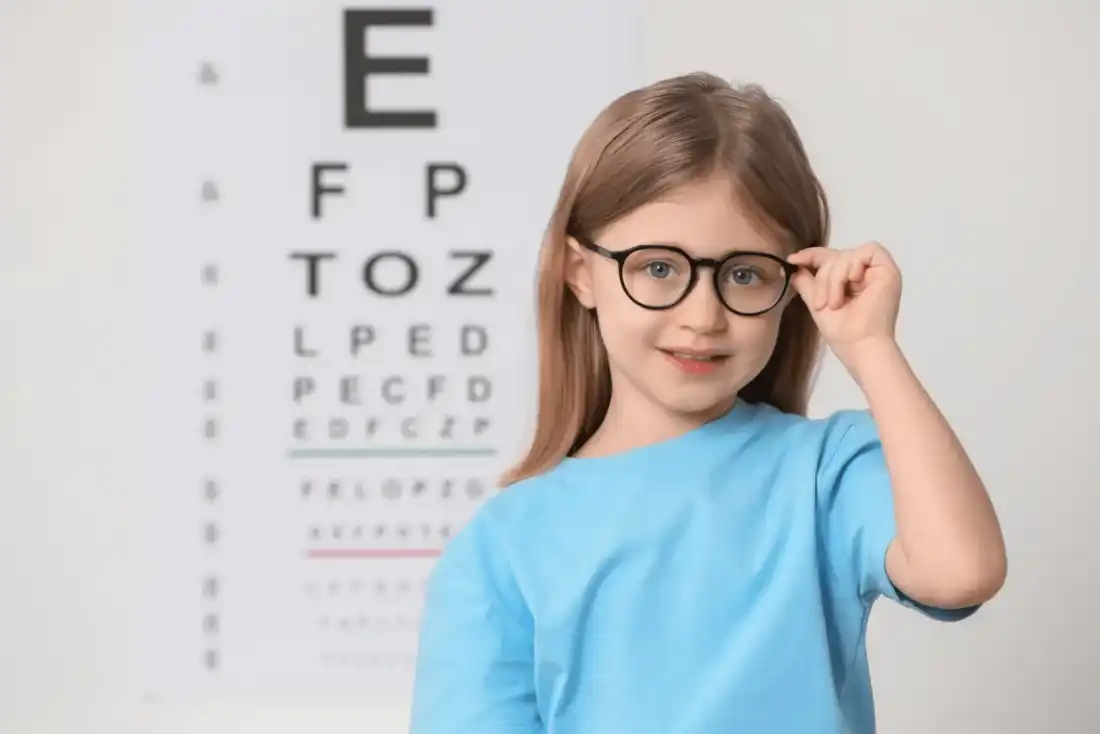
Back-to-school season is a natural time to check more than supplies and schedules. Because vision can shape reading comfort, board work, sports, and classroom confidence, an eye exam before the year gets rolling can give families a clearer start.
Definition
School vision screening: A school or pediatrician vision screening is a quick check that helps identify children who may need additional eye care; a comprehensive eye exam is a fuller evaluation by an eye doctor who can diagnose and treat vision or eye-health problems. Source: CDC: Keep an Eye on Your Child's Vision.
Key takeaways
- A school vision screening is helpful, but it is not the same as a comprehensive eye exam.
- Back-to-school timing helps catch blurry distance vision, reading discomfort, and focusing concerns before classroom routines are packed.
- Bring school screening results, current glasses or contacts, and notes about reading, headaches, squinting, or trouble seeing the board.
Research-backed notes
Uncorrected vision problems can affect a child's ability to learn and reach their potential.
That makes back-to-school season a smart checkpoint for kids who squint, avoid reading, complain of headaches, or struggle to see the board.
CDC: Keep an Eye on Your Child's VisionVision screenings help identify children who may need additional eye care.
A full eye exam is the next step when a child fails a screening or keeps showing classroom or reading symptoms.
CDC: Keep an Eye on Your Child's VisionNearsightedness usually starts between ages 6 and 14.
That age range overlaps with school years, when blurry distance vision can show up as trouble seeing the board, squinting, or eye strain.
National Eye Institute: NearsightednessWhy back-to-school timing works well
Once school starts, small vision problems can look like tiredness, frustration, reading avoidance, or trouble paying attention. Checking vision before the year gets busy gives parents and teachers a cleaner baseline.
It also leaves time to update glasses or contact lenses, talk through sports eyewear, or make a plan if your child needs follow-up for focusing, eye teaming, or nearsightedness changes.
Screening is useful, but it is only a starting point
School and pediatrician screenings are valuable because they can flag children who need more care. They are usually quick checks, though, and they do not answer every question about focusing, eye teaming, eye health, or why reading feels uncomfortable.
If your child fails a screening, complains about vision, or keeps showing symptoms even after passing a screening, a comprehensive pediatric eye exam is the more complete next step.
Classroom clues to watch for
Children do not always know that blurry or uncomfortable vision is unusual. During the first few weeks of school, pay attention to patterns that show up during reading, homework, tablets, whiteboards, or sports.
- Squinting or moving closer to the board, books, or screens
- Headaches after schoolwork or reading
- Losing their place, rereading lines, or avoiding near work
- Closing one eye or rubbing eyes during homework
- New complaints that glasses are not working well
What to bring to the appointment
Bring current glasses or contact lenses, any school screening notes, insurance cards, and a list of medications. If a teacher has mentioned concerns, bring those details too.
A short symptom timeline helps: when the problem happens, whether it is near or far, whether one eye seems different, and what your child does to make seeing easier.
Small habits that support school-year vision comfort
CDC guidance also encourages healthy routines that protect children's vision, including breaks from screens and near work, enough sleep, outdoor time, and protective eyewear for sports and activities.
Those habits do not replace an eye exam when symptoms are present, but they can make school days more comfortable once your child's vision needs are understood.
Helpful external resources
Related care at Weber Eye Care
If this topic sounds familiar, learn more about pediatric eye exams.
Medical disclaimer
This information is for general educational purposes and is not a diagnosis. If you have sudden vision changes, eye pain, injury, flashes, floaters, or other urgent symptoms, call an eye care professional or seek emergency care.
When you want a real answer, come in.
Before the school year fills up, schedule a back-to-school pediatric eye exam with Weber Eye Care.